







Candles That Complete Your Space

Today we’re exploring matching artisan candles to interior design styles, so your home looks cohesive and smells beautifully intentional. From sleek, minimalist vessels to rustic ceramic cups, we’ll pair scent families, materials, and proportions with rooms you love, sharing maker stories, design tips, and real-life wins that help you style confidently and live more comfortably.

Modern Minimalism

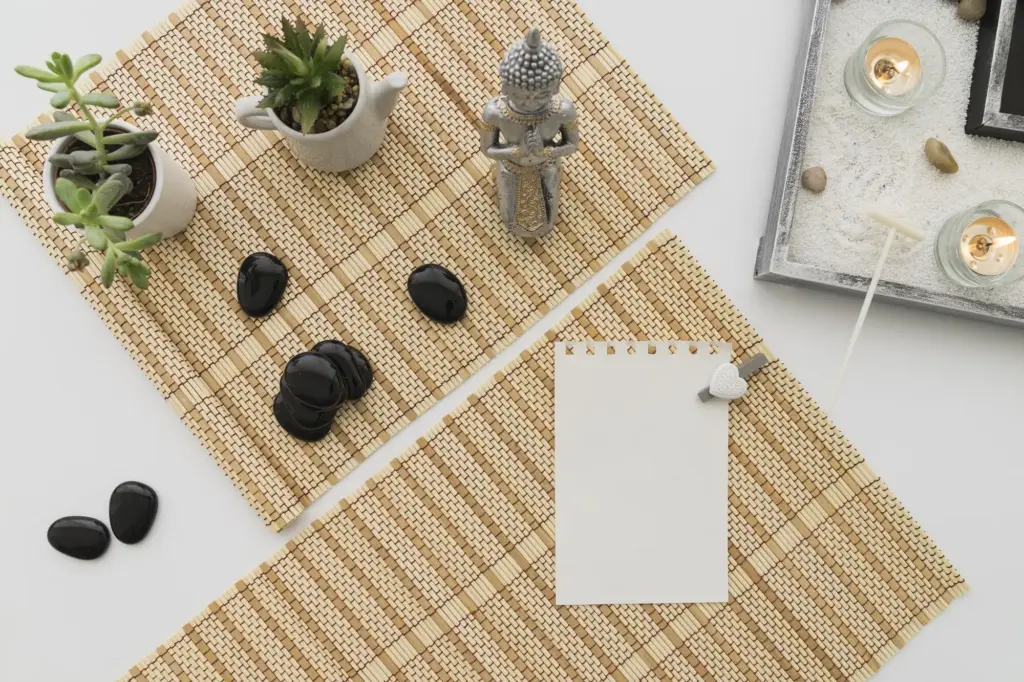
Clean planes, negative space, and disciplined color call for understated vessels that whisper rather than shout. Think matte white or soft gray ceramics with fine edges, cotton wicks, and breezy notes like ozone, eucalyptus, or fig. The goal is quiet presence: a candle that completes an arrangement like a final brushstroke, delivering serenity without ornament or cluttered fragrance complexity.

Scandinavian Warmth

Light woods, wool throws, and honest craftsmanship invite candles that feel comforting and close to nature. Choose hand-poured soy or coconut blends in pale stoneware, perhaps with a subtle speckle. Fragrances with birch, pine needle, soft musk, or creamy tonka echo forest walks and long breakfasts. Let the flame soften winter shadows and make hygge more than a hashtag—an everyday, gentle habit.

Industrial Edge

Exposed brick, steel, and concrete love contrast and patina, so candles in raw cement vessels or smoked glass feel right at home. Leather, tobacco leaf, vetiver, and amber bring atmospheric depth that matches metal joinery and worn wood. Cluster different heights to break up hard geometry, and allow a low, smoldering glow to play across rough textures like a well-earned scuff.

Reading the Language of Style

Every space communicates through lines, textures, and light, and the right candle becomes a fluent accent within that conversation. By observing silhouettes, palette, and materials, you can guide vessel shape, wax tone, and fragrance toward harmony, creating gentle continuity from shelf vignette to evening ritual without stealing attention from your furniture or art.

Fragrance Families by Function

Rooms perform different roles, so scent should amplify purpose rather than compete. Consider airflow, size, and activities when choosing throw strength and notes. Livelier spaces tolerate brighter accords, while restful areas benefit from calmer blends. A thoughtful match makes chores lighter, gatherings friendlier, and quiet moments more restorative—an unsung layer that guides energy, memory, and mood throughout the day.

Color, Texture, and Vessel Design

Beyond fragrance, the vessel is a tiny sculpture. Its hue can echo accents, its sheen can counterbalance matte walls, and its texture can warm a cool palette. By coordinating undertones and finishes, you anchor shelves and sideboards with intuitive continuity. Treat each candle like a design element that unites books, ceramics, and frames without demanding center stage or feeling accidental.

Sculptural Forms That Belong

Cylinders read calm, bowls feel communal, and faceted shapes add rhythm. In a classic space, straight-sided glass can complement tailored upholstery; in boho corners, hand-thrown curves celebrate spontaneity. Consider scale against lamps and vases, leaving breathing room to avoid visual crowding. Your eye should glide from object to object, finding the candle’s silhouette as a natural resting point.

Material Stories You Can Feel

Ceramic whispers artisan touch, glass suggests clarity, and metal nods to heritage. Pair chamfered brass with traditional millwork or sand-textured clay with coastal linens. Let subtle imperfections prove the maker’s hand. When guests lift the lid, the cool weight, balanced fit, and soft friction signal quality before the first spark, turning a simple light into a tactile, memorable encounter.

Finish, Sheen, and Undertone

Matte finishes diffuse sunlight and camera glare, while gloss bounces highlights across a shelf. Warm whites flatter oak; cooler grays befriend marble. If walls lean blue, avoid vessels with yellow cast. Sample in daylight and lamplight, since undertones shift. A well-chosen finish stitches together textiles, art frames, and hardware, letting fragrance become the final, invisible color in the palette.

Scale, Placement, and Layering

Great styling treats candles like lighting design in miniature. Vary heights for rhythm, watch sightlines to the TV or art, and keep flames clear of drafts or drapes. Group in odd numbers or mix taper, pillar, and container to create depth. Scent layering should glide, not shout—blends that share one note converse rather than compete, guiding attention gently around the room.

Focal Points Without Clutter

A single substantial vessel on the coffee table can command presence more gracefully than five small ones. Add a low bowl of matches and a hardcover, leaving negative space so surfaces breathe. On mantels, stagger heights beside a mirror. The eye follows a simple path, finds the flame, and lingers, while the fragrance gracefully frames conversation without tangling with visual noise.

Sightlines, Ventilation, and Safety

Keep wicks three feet from textiles, avoid shelves above registers, and place on heat-resistant trays. Trim to a quarter inch for steady flames that won’t char the vessel. Protect marble with coasters, and respect curious pets and young hands. Practical choices preserve elegance: your candle burns longer, the room smells cleaner, and peace of mind invites deeper enjoyment of evening rituals.

Seasonality and Mood Shifts

Homes change with light, fabric weight, and gatherings, so rotate candles as you swap throws or bedding. Brighter accords feel right with open windows, while richer blends comfort dark afternoons. Keep a small library to suit weather and company. This rhythm makes your collection feel curated rather than cluttered, encouraging anticipation, memory, and conversation with each return to an old favorite.

Spring’s Lift and Renewal

When branches leaf out and floors reflect kinder daylight, invite neroli, rain-soaked greens, and tender herbs. Pair pale porcelain vessels with linen runners and tulips. A gentle, dew-like profile complements cleaning days and fresh starts. Guests notice air that feels lighter without reading as perfume, while your morning coffee gains a crisp, optimistic frame you can actually feel.

Summer Ease and Open Windows

Warm evenings reward sparing use: choose airy citrus, sea salt, or fig leaf, and burn briefly before friends arrive. Glass vessels catch late sun like ice in a tumbler. Keep throws minimal, let the soundtrack carry. The candle’s role becomes a wink—refreshing, social, and unsticky—supporting breezy conversations that stretch until the sky finally agrees to turn indigo.

Autumn Depth and Winter Glow

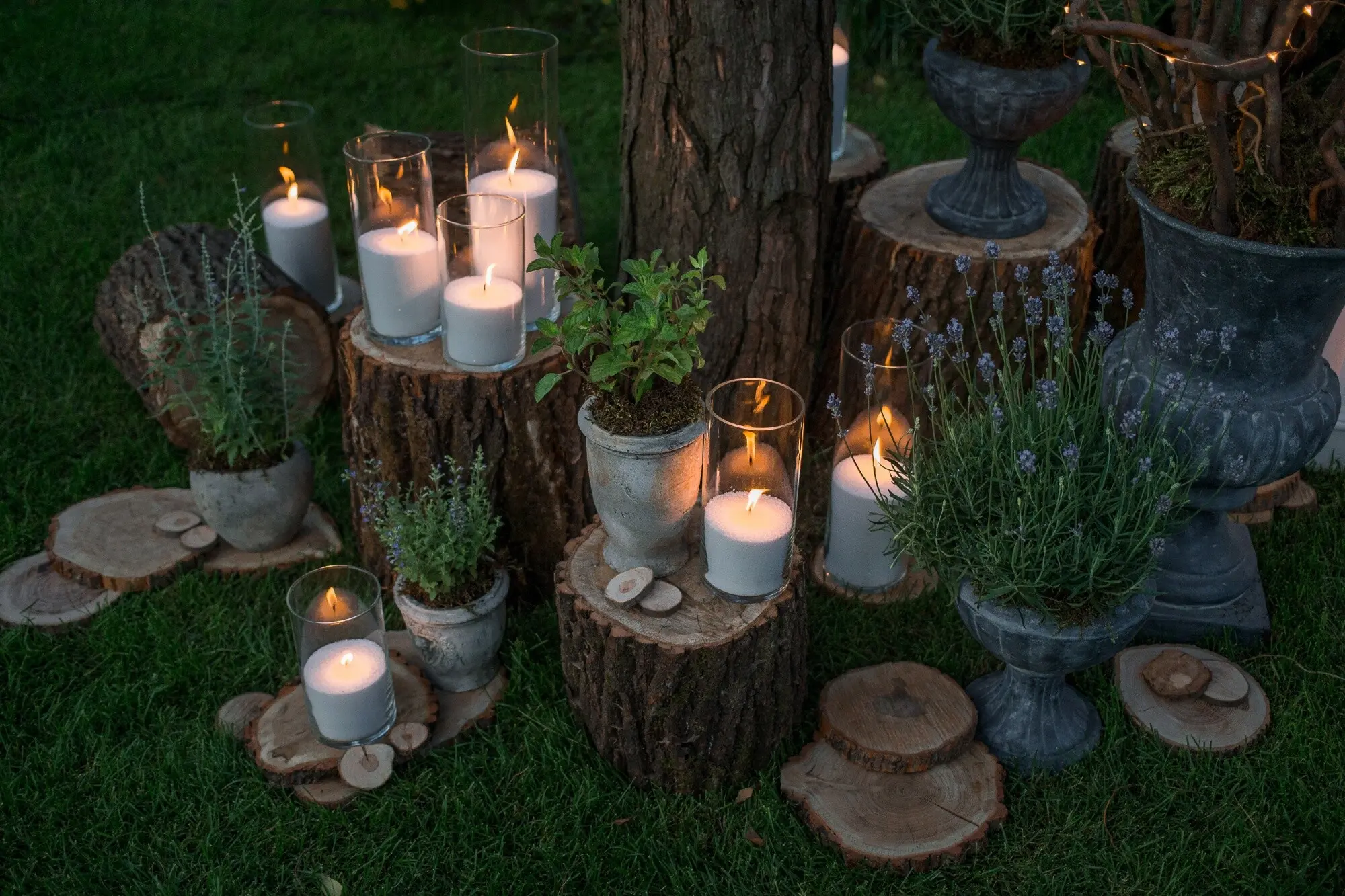
As nights drop early, lean into smoked woods, cardamom, or cedar with vanilla. Heavy glazes and stoneware cups feel right in the hand. Place near book stacks and wool pillows, and let the crackle of a wood wick mimic a hearth. Ritual gathers here: coats pile, stories stretch, and the flame’s small theater keeps everyone a little closer, a little warmer.

Care Rituals for Better Burns

A well-cared-for candle performs like good lighting: reliable, flattering, and safe. First burns set memory, trims tame soot, and clean storage preserves fragrance. Simple tools—snuffer, wick trimmer, lid—extend lifespan and elegance. Treat maintenance as part of the experience, not an afterthought, and your collection will look sharper, smell truer, and serve more dinners, baths, and slow Sundays.

Establishing a Strong Burn Memory

Allow the first session to pool edge to edge, often two to three hours depending on diameter. This prevents tunneling and waste. If the surface looks uneven afterward, gently swirl warm wax to level. Be patient between relights so the vessel cools. This small discipline pays back with predictable flames, clearer glass, and a candle that finishes beautifully to the last inch.

Trimming, Tools, and Airflow

Before each light, trim to a quarter inch to curb smoke and mushrooming. Use a snuffer to avoid wax splatter and lingering wick ember. Keep away from vents and open windows that cause leaning flames and uneven melt. The calmer the environment, the smoother the pool forms, extending fragrance life and preserving that fresh-from-the-studio look you loved on day one.